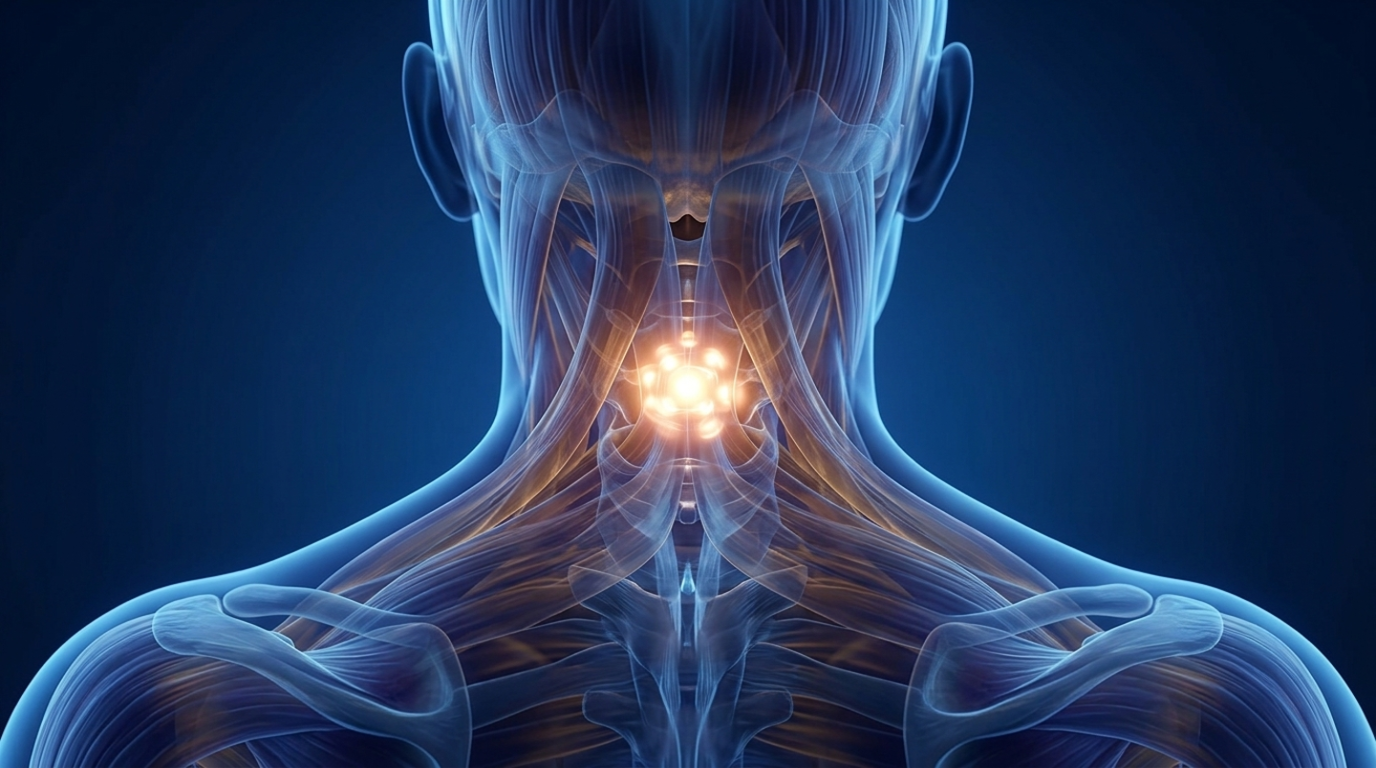
That stiffness in your neck after a long day at your desk might be nothing. Or it might be the first sign of a cervical spine problem that’s quietly getting worse.
The difference often comes down to symptoms most people overlook or dismiss. This guide covers five warning signs that indicate your neck pain warrants professional evaluation, what causes cervical dysfunction in the first place, and the non-surgical treatment options available in Beverly Hills.
5 Hidden Signs You Need Expert Neck Pain Treatment
The best type of doctor for neck pain depends on what kind of care you’re looking for. A chiropractic physician or physical therapist handles conservative, non-surgical treatment. An orthopedic surgeon or neurosurgeon evaluates cases where surgery might be on the table. For most people, it makes sense to start with someone who can figure out what’s actually causing the pain before jumping to more invasive options.
Here’s the thing, though. A lot of patients put off getting evaluated because their symptoms seem manageable or come and go. They assume it’s just stress, or sleeping in a weird position, or too much time at the computer. Sometimes that’s true. But certain signs point to something more than muscle tension, and catching them early can make a real difference in how treatment goes.
1. Numbness or tingling radiating into the arms or hands
When you feel pins and needles traveling down your arm or into your fingers, that sensation usually starts in your neck, not your hand. The clinical term for this is radiculopathy, which means a nerve root in the cervical spine is being compressed or irritated. A bulging disc or bone spur is often the culprit.
A lot of people chalk this up to carpal tunnel or “sleeping wrong.” But if the numbness follows a specific path down the arm (say, into the thumb and index finger, or into the pinky), the pattern often matches a particular cervical nerve root. That’s a clue worth investigating.
2. Recurring headaches at the base of the skull
Headaches that start right where your neck meets your skull and then wrap around toward your forehead or behind your eye have a name: cervicogenic headaches. Unlike migraines or tension headaches, cervicogenic headaches originate from dysfunction in the upper cervical vertebrae.
The tricky part is that they’re frequently misdiagnosed. The pain is felt in the head, so people treat the head. But if your headaches get worse when you move your neck or hold a certain posture, and they tend to show up alongside neck stiffness, the cervical spine is likely the source. Treating the neck, rather than medicating the headache, addresses the actual problem.
3. Persistent stiffness after long screen or phone use
Some neck stiffness after a long day at your desk is normal. What’s not normal is waking up feeling fine and then having that stiffness return within a few hours, day after day.
Forward head posture from looking at screens (sometimes called text neck) puts abnormal mechanical stress on the cervical vertebrae and the muscles supporting them. Your head weighs roughly 10–12 pounds when it’s balanced over your spine. Tilt it forward, and that load increases dramatically. Over time, the postural strain compounds. If stretching and posture breaks no longer help, the underlying structure may be compromised.
4. Sharp neck pain that returns after massage or adjustment
You get a massage or an adjustment, feel better for a day or two, and then the pain comes right back. Sound familiar?
Temporary relief followed by recurring pain usually means the root cause hasn’t been addressed. Massage relaxes muscles. General adjustments improve mobility. But neither one corrects structural issues like disc protrusion or facet joint dysfunction (the small joints connecting each vertebra). If your pain keeps returning despite regular bodywork, a more targeted diagnostic approach can identify what’s actually generating the symptoms.
5. Weakness or grip loss in the hands
Numbness and tingling indicate sensory nerve involvement. Weakness or difficulty gripping objects indicates motor nerve involvement, which is a step further along.
When cervical compression affects motor function, the nerve irritation has progressed beyond early-stage radiculopathy. This warrants prompt evaluation. Continued compression can lead to lasting functional deficits, so it’s worth getting checked sooner rather than later.
What Causes Neck Pain
Understanding where neck pain comes from helps clarify why accurate diagnosis matters. The cervical spine is a complex structure, and pain can arise from several distinct sources.
- Disc protrusion and cervical radiculopathy: Cervical discs can bulge or herniate, pressing on nerve roots. This causes pain, numbness, or weakness in the neck, shoulders, and arms. Disc-related issues are one of the most common causes of radiating symptoms.
- Whiplash and post-traumatic injury: Sudden acceleration-deceleration injuries (like those from car accidents) damage soft tissue and spinal structures. Symptoms sometimes appear days or weeks after the initial trauma, which leads many patients to overlook the connection.
- Text neck and postural strain: Prolonged forward head posture from computer and smartphone use places abnormal stress on cervical vertebrae. The mechanical load increases as the head tilts forward, and over time, the strain accumulates.
- Facet joint dysfunction and degenerative change: The facet joints are small joints connecting each vertebra. Wear, arthritis, or injury to these joints causes localized neck pain and stiffness that typically worsens with extension or rotation.
Why the Cervical Spine Is Vulnerable to Injury
The cervical spine does two things at once: it supports your head’s weight and allows you to look up, down, and side to side. That combination of mobility and load-bearing comes at the cost of stability.
Seven vertebrae make up the cervical spine. Nerve roots exit between each pair, and those nerves supply the shoulders, arms, and hands. Because so many nerves pass through such a small, mobile region, even minor structural changes can produce symptoms far from the neck itself. A disc bulge at C6-C7, for example, might show up as numbness in your fingers rather than pain in your neck.
How Cervicogenic Headaches Connect to Neck Dysfunction
The upper cervical vertebrae (C1, C2, and C3) share nerve pathways with the head and face. When dysfunction occurs in these segments, pain can refer to the forehead, temple, or behind the eye.
Cervicogenic headaches typically present on one side. They coincide with neck stiffness and intensify with certain neck movements. Patients often describe a dull ache that starts at the base of the skull and migrates forward. Because the pain is felt in the head, the cervical origin is frequently overlooked.
The distinction matters for treatment. Pain medication addresses the symptom. Treating the cervical spine addresses the source.
Non-Surgical Treatment Options for Neck Pain
Conservative care aims to relieve pain, restore function, and address the underlying cause without surgery. Several therapies are available in Beverly Hills for patients seeking this approach.
|
Treatment |
What It Addresses | How It Works |
| Spinal Decompression | Disc compression, pinched nerves |
Mechanical traction reduces disc pressure Treating the whole body is solely dependent upon having an intimate understanding of each of its individual parts. Mechanical dysfunction of non-traumatic origin is practically certain to cause — or be caused by — dysfunction in another region. — Dr. Amin Javid |
|
Shockwave Therapy |
Soft tissue dysfunction, chronic tension | Acoustic waves stimulate tissue healing |
| Regenerative Therapy | Tissue damage, inflammation |
Supports natural cellular repair |
| Hyperbaric Oxygen Therapy | Recovery support, tissue oxygenation |
Pressurized oxygen delivery |
Each therapy targets a different aspect of cervical dysfunction. A comprehensive evaluation determines which combination is appropriate for a given condition.
How Spinal Decompression Relieves Cervical Nerve Compression
Spinal decompression uses mechanical traction to gently stretch the cervical spine. The goal is to create negative pressure within the disc space, which allows bulging disc material to retract and reduces pressure on irritated nerve roots.
During a session, you lie on a specialized table while the device applies controlled, intermittent traction. Most patients describe the sensation as a gentle pull rather than anything uncomfortable. Sessions typically last 15–30 minutes.
The key difference between decompression and pain medication is what each one targets. Medication masks symptoms. Decompression addresses the structural source of radiculopathy. For patients with disc-related nerve compression, that distinction can determine whether relief lasts.
How Soon Neck Pain Patients Notice Results
Response to treatment varies. Condition severity, how long symptoms have been present, and individual healing factors all play a role.
Some patients experience relief within the first few sessions. Others require a full course of treatment before meaningful improvement. Chronic conditions that have developed over months or years generally take longer to resolve than acute injuries. A proper diagnosis helps predict expected response and sets realistic expectations from the start.
When to See a Neck Pain Specialist in Beverly Hills
Certain symptoms indicate that professional evaluation is warranted:
- Neck pain lasting more than a few weeks without improvement
- Numbness, tingling, or weakness in the shoulders, arms, or hands
- Headaches that accompany neck stiffness or worsen with neck movement
- Pain that returns repeatedly despite rest or self-care
- Neck symptoms following trauma such as a car accident or fall
Each of these signs suggests underlying structural or nerve involvement. A specialist can determine whether conservative treatment is appropriate or whether imaging and further workup are indicated.
Tip: If your symptoms include both neck pain and arm symptoms (numbness, tingling, weakness), mention both when scheduling your appointment. This helps the provider prepare for a more thorough cervical evaluation.
Book a Comprehensive Spinal Evaluation at Beverly Hills Spine and Rehabilitation
Dr. Amin Javid’s diagnostic approach identifies the root cause of neck pain through a biomechanics-focused evaluation. Because mechanical dysfunction in one region often connects to dysfunction in another, the evaluation considers the whole body rather than treating the neck in isolation.
If you’re experiencing any of the signs described above, a comprehensive spinal evaluation can determine whether cervical compression, disc issues, or other treatable causes are involved.
Learn More about Neck Pain Treatment service
Frequently Asked Questions About Neck Pain Treatment in Beverly Hills
What type of doctor should I see for neck pain?
A chiropractic physician, orthopedic specialist, or pain management doctor can evaluate and treat neck pain. The best choice depends on whether you prefer conservative, non-surgical care or are considering surgical options. Many patients start with a provider who offers diagnostic evaluation and conservative treatment before exploring more invasive approaches.
How do I know if my headache is coming from my neck?
Cervicogenic headaches typically start at the base of the skull, occur on one side, and worsen with neck movement or sustained posture. If your headaches coincide with neck stiffness or pain, a cervical spine evaluation can determine the connection.
Can neck pain resolve without treatment?
Minor muscle strain often improves with rest. However, neck pain involving nerve symptoms, recurring episodes, or structural dysfunction typically requires professional diagnosis and targeted treatment to resolve fully. Waiting often allows the underlying condition to progress.
Is spinal decompression safe for cervical spine conditions?
Spinal decompression is a non-invasive therapy used for many cervical conditions. Certain cases, such as spinal fractures or severe instability, may not be appropriate candidates. A comprehensive evaluation determines whether decompression is suitable for your situation.
Do I need imaging before starting neck pain treatment?
Imaging such as MRI or X-ray is not always required initially. However, it helps when symptoms suggest disc involvement, nerve compression, or structural abnormality. Your provider will recommend imaging based on your clinical presentation and examination findings.
