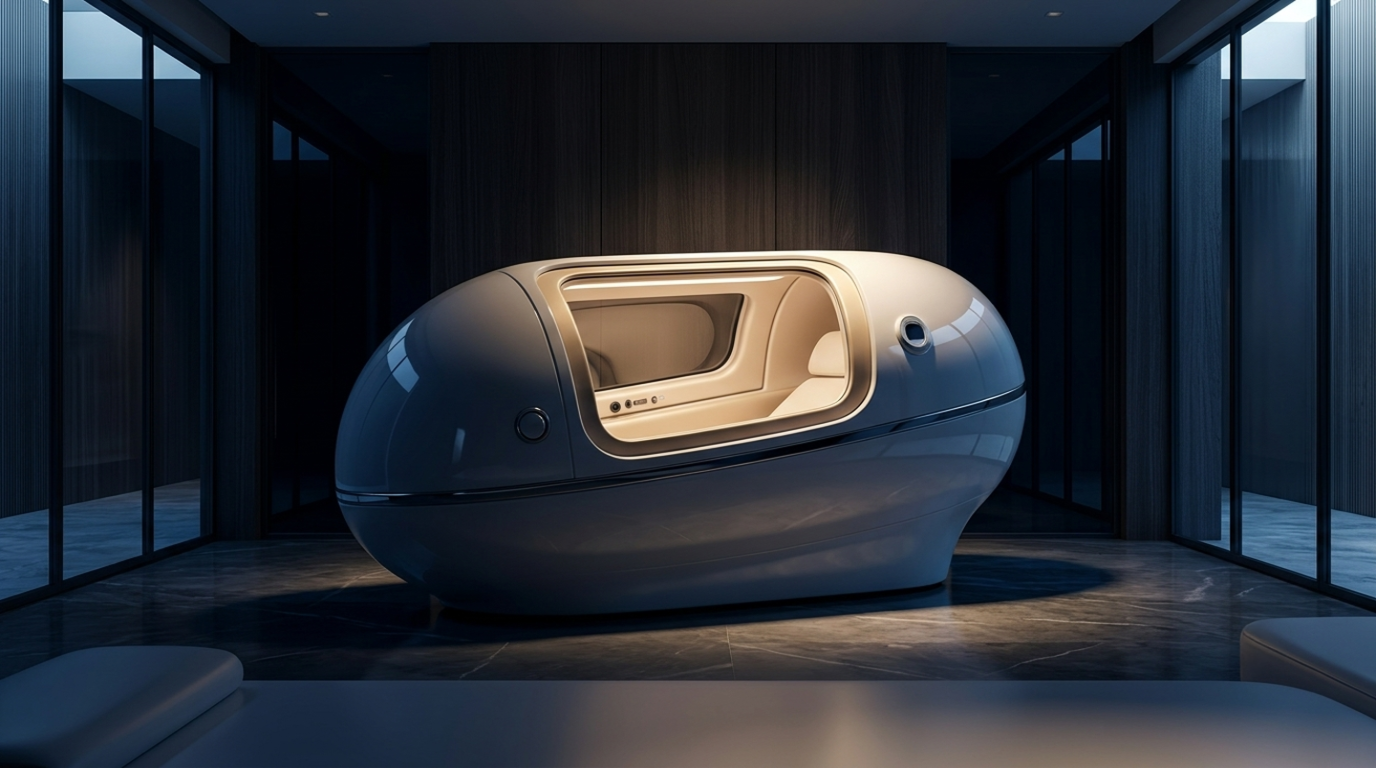
Hyperbaric oxygen therapy places you inside a pressurized chamber where you breathe pure oxygen at levels your lungs cannot achieve under normal conditions. The result is oxygen delivery to tissues that standard circulation struggles to reach.
Beverly Hills clinics offer HBOT for everything from post-surgical recovery to athletic performance and longevity protocols. This guide covers how the therapy works, what conditions it addresses, the difference between medical-grade and soft chambers, and what to expect during treatment at a qualified facility.
What Is Hyperbaric Oxygen Therapy (HBOT)
Hyperbaric oxygen therapy is a medical treatment where you breathe pure oxygen inside a pressurized chamber. The pressure inside the chamber runs higher than normal atmospheric pressure, typically 1.5 to 3 times what you experience at sea level. This combination of pressure and pure oxygen allows your blood to carry far more oxygen than it could under normal conditions.
Why does that matter? Your tissues rely on oxygen for repair, energy production, and fighting infection. When circulation is compromised, whether from injury, surgery, or chronic inflammation, oxygen delivery drops. HBOT bypasses that limitation by dissolving oxygen directly into your plasma, the liquid part of your blood, so it can reach areas that red blood cells struggle to access.
The FDA has approved HBOT for specific conditions including non-healing diabetic wounds, radiation tissue injury, carbon monoxide poisoning, and decompression sickness. Many Beverly Hills clinics also offer HBOT for wellness purposes like post-surgical recovery and athletic performance, though these fall outside formal FDA indications.
How HBOT Works Inside a Pressurized Chamber
Under normal breathing, oxygen attaches to hemoglobin molecules in your red blood cells. That’s the primary delivery system. But red blood cells are relatively large, and when capillaries are damaged or swollen, they can’t always squeeze through to deliver their cargo.
Pressurized oxygen changes the equation. When you breathe pure oxygen at elevated pressure, oxygen dissolves directly into your plasma. Plasma flows more easily than red blood cells, reaching tissues with compromised circulation. This process is called hyperoxygenation.
Once that extra oxygen arrives, several things happen at the cellular level:
- Fibroblast activation: Fibroblasts are cells that produce collagen and repair tissue. Higher oxygen levels increase their activity.
- Angiogenesis: New blood vessels begin forming in areas of chronic low oxygen, improving long-term circulation.
- Reduced swelling: Oxygen under pressure can decrease fluid accumulation in damaged tissues.
The result is an environment where healing can proceed more efficiently than it would under normal oxygen conditions.
Benefits of Hyperbaric Oxygen Therapy in Beverly Hills
The benefits of HBOT trace back to one mechanism: delivering more oxygen to tissues that aren’t getting enough. What follows from that depends on your specific situation.
Accelerated Tissue Healing and Regeneration
Oxygen is the fuel cells use for repair work. When tissues receive oxygen at elevated concentrations, collagen production increases and new capillaries form more readily. For patients recovering from surgical procedures, this can support the body’s natural healing timeline.
Reduced Inflammation and Joint Pain
Inflammation involves swelling, heat, and restricted blood flow. Oxygen under pressure can calm inflammatory responses by reducing fluid accumulation and modulating immune cell activity. Patients with chronic joint discomfort or musculoskeletal conditions sometimes find relief that complements other treatments.
Enhanced Brain Function and Cognitive Clarity
Your brain consumes roughly 20% of your body’s oxygen despite making up only about 2% of your body weight. HBOT delivers oxygen to neural tissue at concentrations that normal breathing cannot achieve. This is one reason the therapy is being explored for cognitive support and neurological recovery.
Anti-Aging and Cellular Longevity
Cellular repair mechanisms depend on adequate oxygen. HBOT has become part of longevity protocols in Beverly Hills wellness circles, with patients seeking to support cellular health as part of a broader approach to aging well.
Immune System Support
White blood cells require oxygen to function. An oxygen-rich environment enhances their ability to neutralize bacteria and support the body’s defense mechanisms, which is why HBOT has applications in wound care and infection management.
Conditions HBOT Treats for Wellness and Recovery
HBOT applications fall into two categories: FDA-approved medical indications and off-label wellness uses. Both are available at qualified Beverly Hills clinics, though the evidence base differs.
Post-Surgical and Plastic Surgery Recovery
This is among the most popular applications in Beverly Hills. HBOT can reduce post-operative swelling, support incision healing, and help patients return to normal activities sooner after cosmetic or reconstructive procedures. Many patients begin treatment within days of their procedure, once cleared by their surgeon.
Sports Injuries and Athletic Recovery
Athletes use HBOT to accelerate recovery from muscle strains, ligament injuries, and the cumulative fatigue of intense training. The therapy delivers oxygen to damaged tissue faster than the body can accomplish through normal circulation alone.
Chronic Inflammation and Musculoskeletal Pain
Patients with persistent joint pain, tendon issues, or inflammatory conditions may find that HBOT complements other musculoskeletal treatments. The oxygen delivery can reach tissues that have become chronically under-oxygenated due to poor circulation or ongoing inflammation.
Neurological and Post-Concussion Conditions
HBOT is being explored for traumatic brain injury recovery, stroke rehabilitation, and cognitive decline. While research continues, some patients report improvements in mental clarity and neurological function following treatment protocols.
Non-Healing Wounds and Complex Healing
This represents one of HBOT’s FDA-approved applications. Diabetic foot ulcers, radiation tissue damage, and other wounds that resist conventional treatment often respond to the enhanced oxygen delivery that HBOT provides.
Medical-Grade Hyperbaric Chamber Beverly Hills vs Soft Chamber
Not all hyperbaric chambers deliver the same therapeutic effect. The distinction between medical-grade hard chambers and soft (mild) chambers matters when you’re seeking treatment for a specific condition.
| Feature | Medical-Grade Hard Chamber | Soft/Mild Chamber |
| Pressure level | 1.5–3.0 ATA | 1.3 ATA or lower |
| Oxygen delivery | 100% pure oxygen | Concentrated air (24–40% oxygen) |
| Clinical oversight | Physician-supervised | Often unsupervised |
| Therapeutic range | Broader medical applications | Limited wellness use |
Medical-grade hard chambers achieve the pressure levels required for meaningful tissue oxygenation. Soft chambers, while more accessible and less expensive, cannot reach the pressures that produce the physiological changes associated with true HBOT. If you’re treating a specific condition rather than pursuing general wellness, the chamber type matters.
Who Is a Good Candidate for HBOT
HBOT works well for several patient profiles:
Treating the whole body is solely dependent upon having an intimate understanding of each of its individual parts. Mechanical dysfunction of non-traumatic origin is practically certain to cause — or be caused by — dysfunction in another region.
— Dr. Amin Javid- Post-surgical patients: Those recovering from cosmetic, orthopedic, or other procedures who want to support healing
- Athletes: Individuals with tissue damage, overtraining fatigue, or sports injuries
- Chronic pain patients: Those with inflammatory or musculoskeletal conditions seeking complementary care
- Wellness-focused individuals: Patients exploring longevity protocols
Certain conditions require physician evaluation before HBOT. Patients with untreated pneumothorax (collapsed lung), specific lung conditions, recent ear surgery, or chronic ear problems will want to discuss their history with a qualified provider first. Claustrophobia can also be a consideration, though many patients find the chamber environment more comfortable than expected.
What to Expect During an HBOT Session
Knowing what happens during treatment helps reduce uncertainty about the process. Here’s the typical sequence.
Step 1. Pre-Session Medical Evaluation
A qualified provider reviews your health history, current medications, and any conditions that might affect treatment. This evaluation ensures HBOT is appropriate for your situation and helps determine the right protocol.
Step 2. Entering the Hyperbaric Chamber
You’ll lie down or sit comfortably inside the chamber, which is then sealed. As pressure increases, you may feel a sensation in your ears similar to airplane descent. Simple techniques like swallowing or yawning typically relieve this pressure.
Step 3. Pressurization and Oxygen Delivery
The chamber gradually reaches treatment pressure while you breathe normally. Sessions typically last 60–90 minutes, during which you can rest, listen to music, or simply relax. The experience is quiet and uneventful for most patients.
Step 4. Decompression and Post-Session Review
Pressure returns to normal gradually over several minutes. Most patients feel relaxed or mildly energized afterward. A brief check-in with staff follows to address any questions and discuss your response to treatment.
HBOT Safety and Contraindications
Medical-grade HBOT under physician supervision has an established safety profile developed over decades of clinical use. Side effects are uncommon and typically mild, such as temporary ear pressure or fatigue.
Certain conditions require careful evaluation before treatment:
- Untreated pneumothorax (collapsed lung)
- Specific pulmonary conditions
- Recent ear surgery or chronic ear problems
- Certain medications (disclose all medications to your provider)
A thorough pre-treatment evaluation identifies any factors that might affect your candidacy for HBOT.
Cost of Hyperbaric Oxygen Therapy in Beverly Hills
Pricing varies based on chamber type, session duration, and treatment protocol. Medical-grade HBOT typically costs more than spa-style soft chambers because of the equipment, pure oxygen delivery, and physician oversight involved.
Many clinics offer package pricing for patients who require multiple sessions. Insurance coverage generally applies only to FDA-approved indications, so patients pursuing wellness applications will want to verify costs upfront with both their insurer and the clinic.
Integrating HBOT With Spinal, Joint, and Nerve Care
HBOT can complement other musculoskeletal and neuromuscular treatments. When combined with therapies like spinal decompression, regenerative injections, or neuropathy care, HBOT may enhance tissue oxygenation and support the healing process.
At 90210doc, Dr. Amin Javid takes a whole-body, biomechanics-focused approach to treating painful conditions. This perspective recognizes that dysfunction in one area often connects to problems elsewhere, and that addressing root causes produces better outcomes than treating symptoms alone. HBOT fits within this comprehensive model as one tool among several for supporting tissue health and recovery.
Booking Advanced HBOT in Beverly Hills With 90210doc
90210doc offers hyperbaric oxygen therapy as part of a comprehensive, evidence-based approach to wellness and recovery. Our Beverly Hills location provides medical-grade HBOT integrated within a clinical environment designed for patient comfort and individualized care.
To learn more about HBOT or schedule a consultation, contact us at +1-310-438-6345 or info@90210doc.com. We see patients by appointment at 8530 Wilshire Blvd. STE 530, Beverly Hills, California 90211.
Learn more about our advanced HBOT Therapy
Frequently Asked Questions About Hyperbaric Oxygen Therapy in Beverly Hills
How many HBOT sessions are typically recommended for results?
Session frequency depends on the condition being treated and your individual response. A physician will recommend a personalized protocol after evaluating your specific situation, though many treatment plans involve 10–40 sessions.
Can HBOT be combined with spinal decompression or regenerative therapy?
Yes, HBOT can complement musculoskeletal treatments by enhancing tissue oxygenation during the healing process. Discuss combination protocols with your provider to coordinate care effectively.
Is hyperbaric oxygen therapy covered by insurance in Beverly Hills?
Insurance coverage varies and typically applies only to FDA-approved indications such as non-healing wounds or radiation injury. Verify benefits with your insurer and the clinic before beginning treatment.
How soon after surgery can HBOT begin?
Timing depends on the type of surgery and your surgeon’s recommendation. Many patients begin HBOT within days to weeks post-procedure once cleared by their surgical team.
What is the difference between mild HBOT and medical-grade HBOT?
Medical-grade HBOT uses higher pressure (1.5–3.0 ATA) and pure oxygen in a hard chamber under physician supervision. Mild HBOT uses lower pressure in a soft chamber with limited clinical oversight and a reduced therapeutic range.
