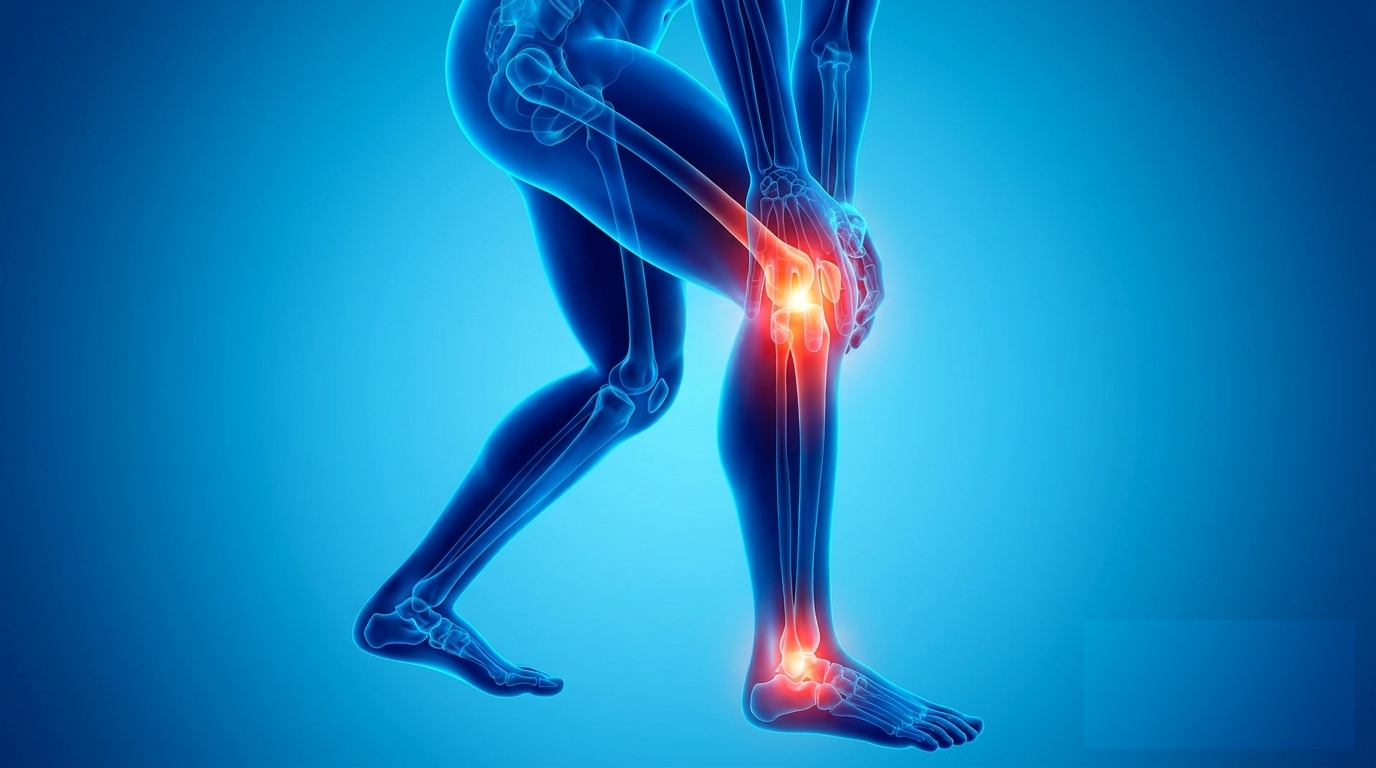
Chronic joint pain has a way of shrinking your world. Activities you used to do without thinking, whether that’s climbing stairs, gripping a jar, or simply getting out of bed, become negotiations with your own body.
Finding the right treatment starts with understanding what’s actually causing the pain. This guide covers the most common causes of chronic joint pain, the non-surgical treatment options available in Beverly Hills, and how a whole-body evaluation can identify problems that localized treatments often miss.
What Is Chronic Joint Pain
In Beverly Hills, chronic joint pain is primarily treated through minimally invasive interventional procedures, regenerative medicine, and targeted therapies that get to the source of the problem. Popular non-surgical approaches include regenerative stem cell therapy, extracorporeal shockwave therapy, spinal decompression, and individualized rehabilitation programs.
So what exactly counts as chronic? Joint pain becomes chronic when it sticks around for more than three months. That’s different from the acute pain you feel after twisting an ankle or pulling a muscle, which typically fades as the injury heals.
When pain persists past that three-month mark, it usually points to something ongoing, whether that’s cartilage wearing down, inflammation that won’t quit, nerve compression, or mechanical problems elsewhere in the body. The pain itself is a signal, and figuring out what it’s signaling is where treatment actually begins.
Common Causes of Chronic Joint Pain
The cause of your joint pain determines which treatment will actually help. Four conditions account for most of the chronic joint pain we see in practice.
Osteoarthritis
Osteoarthritis happens when the cartilage cushioning your joints breaks down over time. Cartilage is the smooth, rubbery tissue that lets bones glide against each other without friction. As it wears thin, bones start rubbing together directly, which causes pain, stiffness, and that grinding sensation some people notice.
The knees, hips, hands, and spine tend to be hit hardest. Osteoarthritis progresses gradually, so many people dismiss early symptoms as “just getting older.” But early intervention can slow that progression considerably.
Rheumatoid Arthritis
Rheumatoid arthritis works differently. It’s an autoimmune condition, meaning the immune system mistakenly attacks healthy joint tissue. The lining of the joints (called the synovium) becomes inflamed, and over time, that inflammation can damage cartilage and bone.
One telltale sign is symmetry. If your left wrist hurts, your right wrist often does too. Fatigue and general achiness frequently accompany the joint symptoms. Treatment focuses on calming the immune response and protecting joint function before damage accumulates.
Post-Traumatic Joint Injury
That ankle you sprained badly ten years ago? It can come back to haunt you. Old fractures, ligament tears, and dislocations sometimes alter joint mechanics in subtle ways that accelerate wear and tear.
Many patients don’t connect their current pain to an injury from years past. A thorough history often reveals the link.
Mechanical Dysfunction and Spinal Nerve Compression
Here’s something that surprises a lot of people: joint pain in your knee, hip, or shoulder can actually originate in your spine. Compressed nerves in the neck or low back can send pain signals to distant joints, making it seem like the problem is local when it isn’t.
This is why a whole-body perspective matters. Mechanical dysfunction in one region of the body practically always causes or results from dysfunction somewhere else. Treating only the painful joint while ignoring what’s happening in the spine often leads to incomplete relief.
Symptoms and Warning Signs of Chronic Joint Pain
Certain symptoms suggest it’s time to see a specialist rather than continuing to manage things on your own:
- Morning stiffness that lasts more than 30 minutes: brief stiffness is normal, but prolonged stiffness suggests active inflammation
- Swelling or warmth around the joint: visible signs that something is actively irritated
- Reduced range of motion: when you can’t bend, straighten, or rotate a joint the way you used to
- Numbness or tingling: a warning sign that nerves are involved
- Pain that keeps getting worse: despite rest, ice, and over-the-counter medications
That numbness and tingling point deserves extra attention. Those sensations are not a normal part of aging. They indicate nerve involvement, and nerve problems tend to progress if left alone.
Non-Surgical Treatment Options for Chronic Joint Pain in Beverly Hills
Several evidence-based therapies can address chronic joint pain without surgery. The right choice depends entirely on what’s causing the pain in the first place.
Extracorporeal Shockwave Therapy
Extracorporeal shockwave therapy (ESWT) delivers high-energy acoustic waves through a handheld device pressed against the skin. Those waves stimulate blood flow, trigger tissue regeneration, and prompt the body to release its own anti-inflammatory substances.
ESWT tends to work well for tendon and muscle conditions that haven’t responded to rest, medication, or physical therapy. Sessions are short, performed in-office, and don’t require any recovery time afterward.
Regenerative Stem Cell Therapy
Regenerative therapy uses stem cells, typically harvested from bone marrow or adipose (fat) tissue, to repair damaged joint structures. The cells are concentrated and then injected precisely into the affected joint using imaging guidance like ultrasound or fluoroscopy.
The goal here is actual tissue repair, not just temporary symptom relief. Unlike steroid injections, which reduce inflammation for a while but don’t fix underlying damage, regenerative therapy aims to rebuild cartilage and other structures. This makes it particularly valuable for osteoarthritis and joint injuries where tissue breakdown is the core problem.
Spinal Decompression Therapy
Spinal decompression uses specialized traction equipment to gently stretch the spine. That stretch creates negative pressure inside the discs, which can help retract herniated or bulging disc material, take pressure off compressed nerves, and improve circulation to the area.
Why does spinal treatment matter for joint pain? Because compressed nerves in your neck or low back can cause pain, numbness, and weakness in your arms, legs, and joints. Relieving that compression often resolves what seemed like a local joint problem.
One mechanism worth understanding is imbibition, the process by which spinal discs absorb fluids and nutrients during decompression. This requires proper equipment and medical supervision to achieve.
Targeted Physical Rehabilitation
Rehabilitation strengthens the muscles supporting affected joints, improves range of motion, and helps prevent future flare-ups. It works best when tailored to your specific condition rather than following a generic exercise sheet.
Rehabilitation often complements other therapies. For example, after regenerative treatment, a structured rehab program helps the newly repaired tissue integrate properly and builds the muscular support to protect it going forward.
Physician-Formulated Topical Pain Relief
Between clinical visits, topical pain relief can help manage daily discomfort. Physician-formulated botanical balms use counterirritants like camphor and arnica to provide targeted relief without the systemic effects of oral medications.
Topical products work best as part of a broader treatment plan rather than as standalone solutions.
|
Treatment Treating the whole body is solely dependent upon having an intimate understanding of each of its individual parts. Mechanical dysfunction of non-traumatic origin is practically certain to cause — or be caused by — dysfunction in another region. — Dr. Amin Javid |
Best For | Invasiveness | What to Expect |
| Shockwave Therapy | Tendon and muscle conditions | Non-invasive |
Multiple sessions over several weeks |
|
Regenerative Therapy |
Joint degeneration, osteoarthritis | Minimally invasive |
Single procedure with follow-up rehab |
|
Spinal Decompression |
Disc-related pain, nerve compression | Non-invasive |
Series of sessions over weeks |
|
Physical Rehabilitation |
Muscle weakness, mobility issues | Non-invasive |
Ongoing as condition improves |
How a Whole Body Biomechanical Evaluation Identifies the Source of Joint Pain
A comprehensive evaluation looks beyond the painful joint to understand how your entire musculoskeletal system is functioning. The reason? Mechanical dysfunction in one area often causes or results from problems elsewhere.
A typical evaluation includes:
- Patient history review: when pain started, what makes it better or worse, past injuries, and lifestyle factors
- Physical examination: posture, gait, range of motion, and areas of tenderness
- Diagnostic imaging: MRI, CT, or X-ray when indicated to visualize joint and spinal structures
- Nerve function testing: EMG or nerve conduction studies if neuropathy is suspected
The findings guide an individualized treatment plan. Two patients with knee pain might receive completely different recommendations based on what’s actually driving their symptoms. One might have cartilage breakdown in the knee itself. Another might have a disc bulge in the low back compressing a nerve. Same symptom, different cause, different treatment.
When to See a Chronic Joint Pain Specialist in Beverly Hills
A few situations suggest it’s time to get a professional evaluation:
- Pain has persisted beyond three months despite rest and over-the-counter medication
- Joint pain interferes with work, sleep, or daily activities
- Numbness, tingling, or weakness accompanies the joint pain
- Previous treatments like physical therapy or injections provided only temporary relief
- You want to avoid surgery but home care isn’t cutting it anymore
Waiting too long can allow conditions to progress, which sometimes limits treatment options later.
What to Expect From Treatment at a Beverly Hills Joint Pain Clinic
The process typically starts with an initial consultation. During this visit, your history, any previous imaging, and your goals are reviewed in detail. The aim is to establish what’s causing your pain and which treatment approaches make sense for your situation.
From there, you receive a personalized treatment plan based on your diagnosis and preferences. Most non-surgical therapies are performed in-office with minimal downtime, so you can return to normal activities quickly.
Follow-up appointments allow your provider to monitor progress and adjust the plan as needed. Treatment is rarely static. What works initially may be refined over time as your condition improves.
Tip: Bring any previous imaging (MRI, X-ray, CT) and a list of treatments you’ve already tried to your first appointment. This helps avoid repeating approaches that haven’t worked.
Related Services at 90210doc
- Low Back Pain and Sciatica Treatment
- Neck Pain and Headaches Treatment
- Neuropathy Treatment
- Regenerative Therapy
- Spinal Decompression Therapy
Learn more about our chronic joint pain treatment service
Schedule a Consultation With a Beverly Hills Joint Pain Specialist
Dr. Amin Javid and the team at 90210doc provide comprehensive evaluation and non-surgical treatment for chronic joint pain. Each treatment plan is individualized based on a thorough biomechanical assessment, with care delivered in a comfortable, modern clinical environment.
Contact Information:
- Phone: +1-310-438-3645
- Email: info@90210doc.com
- Address: 8530 Wilshire Blvd. STE 530, Beverly Hills, CA 90211
Visits are by appointment only.
Contact Today for your Joint Pain Treatment
Frequently Asked Questions About Chronic Joint Pain Treatment in Beverly Hills
What is the best treatment for chronic joint pain?
The best treatment depends on the underlying cause. Options include shockwave therapy, regenerative medicine, spinal decompression, or a combination tailored to your specific condition. A specialist evaluation determines which approach addresses the actual source of pain.
How long does non-surgical chronic joint pain treatment take to show results?
Most patients begin noticing improvement within several weeks of starting treatment, though timelines vary based on severity and the therapy used. Some treatments like shockwave therapy continue promoting healing even after the treatment course ends.
Can chronic joint pain be treated without surgery or steroid injections?
Many chronic joint pain conditions respond well to non-surgical options such as regenerative therapy, spinal decompression, and shockwave therapy. These approaches aim to address the root cause rather than temporarily masking symptoms.
What type of doctor treats chronic joint pain in Beverly Hills?
Chronic joint pain is treated by specialists in musculoskeletal medicine, pain management, or physicians with expertise in human biomechanics. Look for a provider who offers comprehensive diagnosis and individualized, non-surgical treatment options.
